
You generally have no right to a view or to the neighborhood staying unchanged, but you do have procedural rights within short windows. Objections based on rule breaches — height, setbacks, coverage, variances, covenants — carry weight; objections based on personal impact usually do not.
You have no right to a view or to the neighborhood staying as it is. You do have procedural rights, and they are more useful than most owners realize.
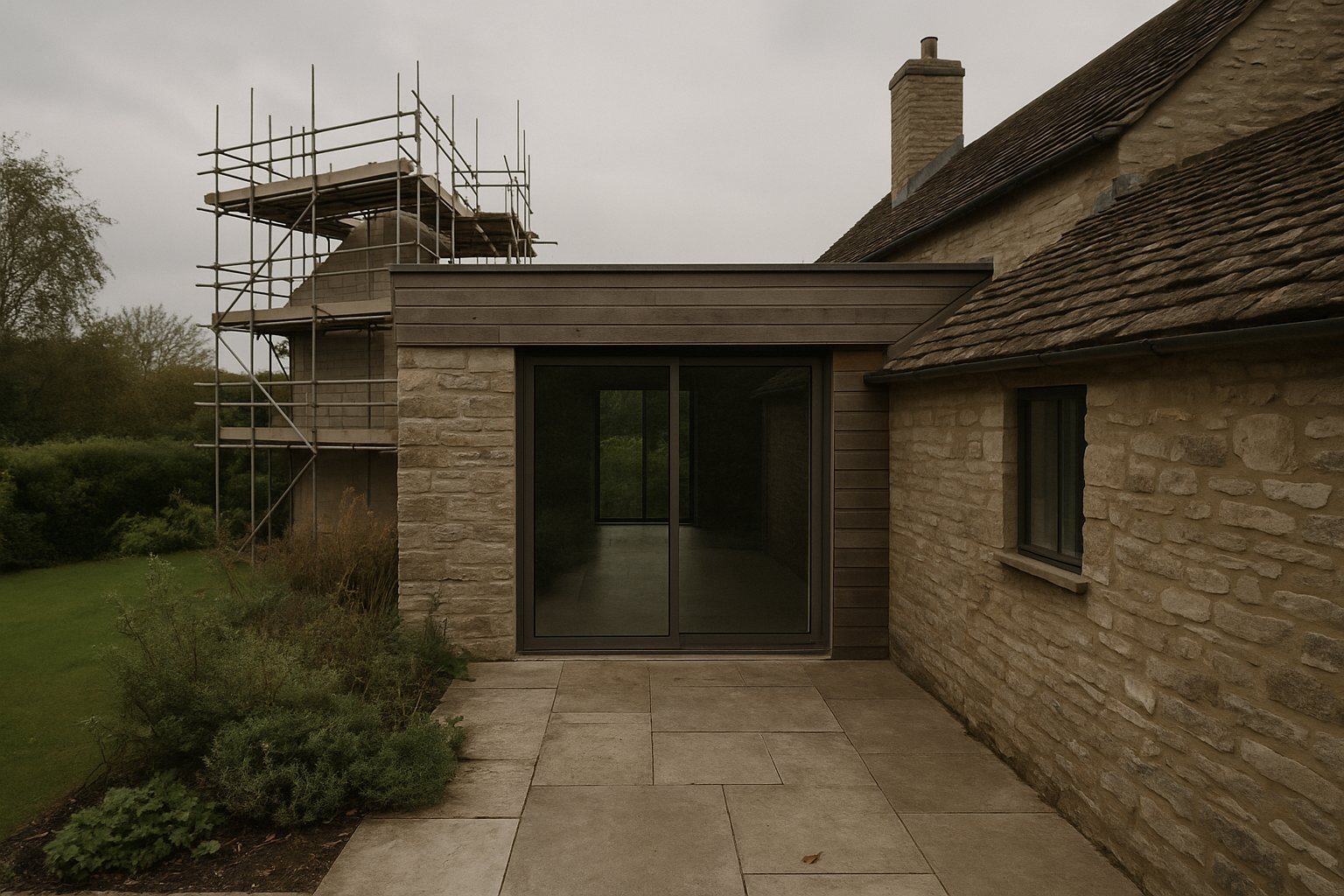
You generally have no right to a view, to light, or to the neighborhood staying as it is. What you do have is a set of procedural rights, and they are considerably more useful than most owners realize — provided you use them within windows that are short and strictly enforced.
The single most important thing.
By the time construction is visible, the decisions have been made and the opportunity to influence them has passed. Objections are heard during an application, not after approval.
Most jurisdictions publish applications and many require notice to adjoining owners, posted on the site or sent by mail. Those notices are easy to miss and easier to set aside.
Where you care about what happens nearby, check the planning record periodically or subscribe to alerts if the authority offers them. In a covenanted community, the architectural committee's agenda serves the same purpose and is frequently more consequential than the municipal process.
This is where most owners waste their effort.
Objections based on personal impact — it blocks my view, it overlooks me, I preferred the trees — generally carry little weight, because there is usually no right being infringed.
Objections based on the rules do carry weight. A proposal exceeding height limits, encroaching on setbacks, breaching coverage ratios, requiring a variance, or conflicting with covenants is a proposal with a genuine vulnerability.
So the first step is to read what is proposed against what is permitted. Where the two match, your options are limited. Where they do not, you have something to say.
Where a neighbor needs permission to exceed what the rules allow, they are asking for something rather than exercising a right.
That is the point of maximum influence, and it is frequently where a negotiated outcome is available — a modified design, a relocated structure, additional screening, a changed access point.
Engaging constructively at that stage produces better results than opposing outright, because the applicant has an incentive to resolve objections rather than fight them.
In established communities, architectural review can restrict height, materials, siting and design well beyond municipal requirements.
If you are in such a community, that committee is usually the more effective route, and it operates on a shorter timeline with less formality.
Read your own covenants before objecting. They bind you as much as your neighbor, and an objection from someone who has themselves built without approval goes badly.
Unfashionable and consistently the most effective step.
Most people building something are not trying to harm anyone, and many will adjust details that cost them little — a window position, a tree retained, a screening arrangement, construction hours — if asked reasonably and early.
An objection lodged without a conversation converts a solvable detail into a dispute with a neighbor you will have for years.
Approval is one matter. What happens during the work is another, and it is frequently the greater practical problem.
Working hours, access routes, parking, dust, noise and damage to shared surfaces are usually governed by conditions on the permit or by local ordinance. Those are enforceable, and enforcement is a different process from objecting to the design.
Photograph your own property before work begins, particularly shared walls, driveways and boundaries. Damage claims are considerably easier with a prior record.
Legal challenges to approved development are slow, expensive and rarely successful where the approval followed proper process.
They are occasionally justified where the process was defective or a genuine right is infringed. They are almost never worthwhile as an expression of displeasure.
The better investment, before purchase, is establishing what could be built nearby. After purchase, it is watching the planning record and engaging early enough to matter.
Only where the proposal breaches something. You generally have no right to a view or to the area staying as it is, but a proposal exceeding height limits, encroaching setbacks, or conflicting with covenants has a genuine vulnerability.
Deliberately rather than by chance. Most jurisdictions publish applications and many notify adjoining owners, but notices are easy to miss. Check the planning record periodically, and in a covenanted community watch the architectural committee agenda.
Those based on the rules rather than on personal impact. Read what is proposed against what is permitted. Where the two match, your options are limited; where they diverge, you have something to say.
That is your moment of maximum influence, because they are asking for something rather than exercising a right. Engaging constructively frequently produces a modified design, relocated structure or additional screening.
A separate and enforceable matter. Working hours, access, parking, dust and damage are usually governed by permit conditions or ordinance. Photograph your property, especially shared boundaries, before work begins.
A select network of the nation's most accomplished luxury real estate professionals.