
At the top of the market the building is the smaller part of value. Position, frontage, view protection, elevation and privacy carry it, because they cannot be replicated while finish and layout can be changed with money. Compare what cannot be altered before what can.
At most price points value is driven by the building. At the top that inverts, and value is decided by things that cannot be added to a property later.
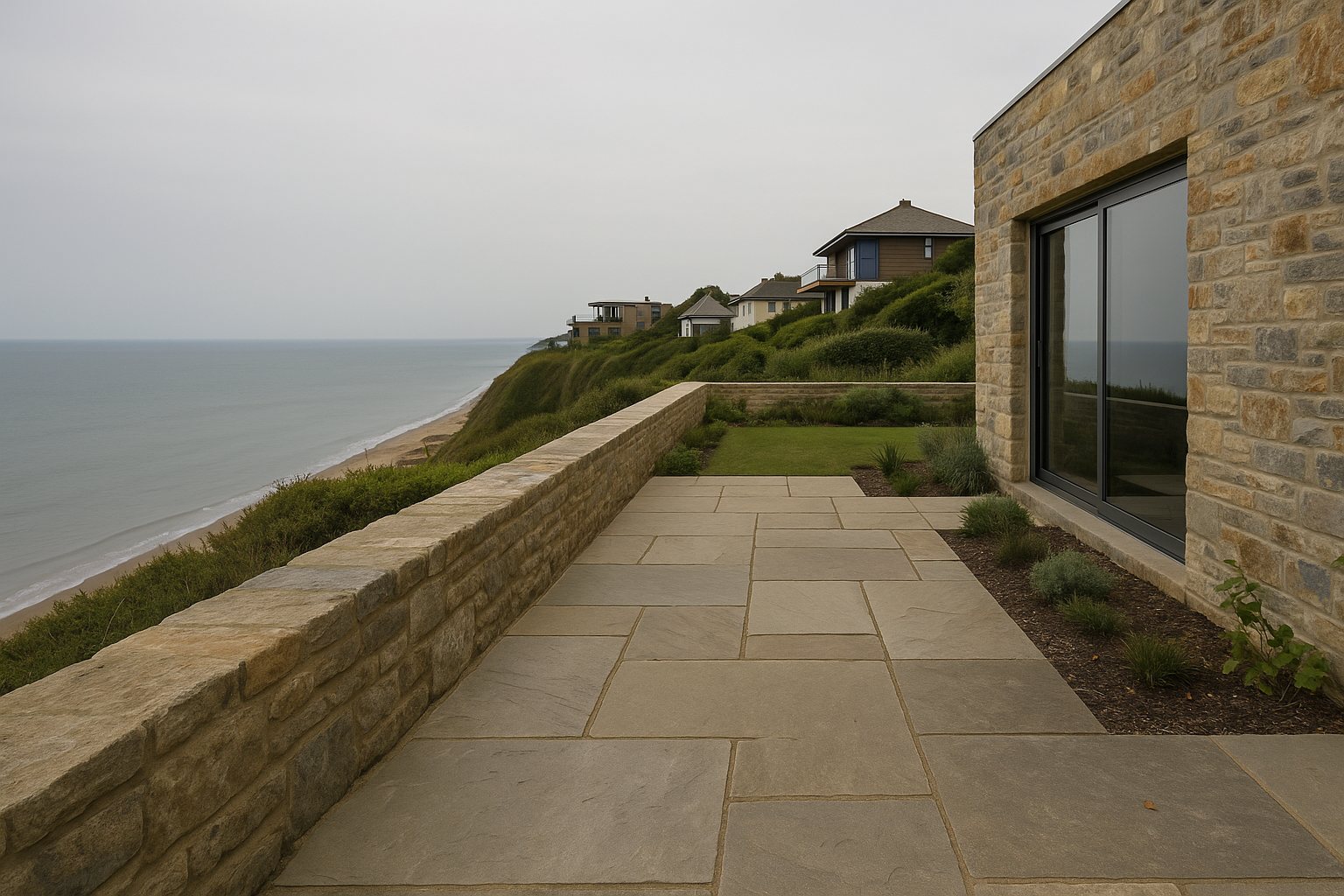
At most price points, value is driven by the building. Bedrooms, square footage, condition and the price of comparable houses nearby.
At the top of the market that inverts. The building becomes the smaller part of the equation, and value is decided by things that cannot be added to a property later.
The single most useful reframing available.
On an expensive property, a substantial share of the value is the land and its position. The house sitting on it can be rebuilt, extended, altered or replaced. The land cannot be moved and the position cannot be recreated.
That is why two houses of similar size and finish, a mile apart, can differ enormously in price. The market is not pricing the buildings.
What makes a position valuable is that it cannot be replicated.
Water frontage with usable depth. A view that is protected rather than merely present. Elevation above what sits in front of it. Genuine privacy, meaning distance rather than planting. Direct access to something people want to be near.
Each of these is finite. No amount of construction adds coastline, and the entitlement environment in most desirable markets makes new supply slow or impossible.
That constraint is what separates markets that hold value through cycles from markets that simply rose.
What would it cost to acquire this land and build this property today?
Where land is effectively unavailable and construction costs have risen substantially, replacement cost frequently exceeds what comparable sales suggest, and it becomes the dominant argument rather than a cross-check.
It is also the answer to a buyer who says they will simply build instead. Frequently they cannot, at least not here and not on this timeline.
Value requires buyers, and it is worth knowing where they come from.
Employment and business formation in the region. Wealth transfer between generations. Migration between states, which has moved considerably in recent years. International capital, which behaves differently and is more sensitive to currency and policy. And second-home demand, which follows the wealth of somewhere else entirely.
A market with several independent demand sources is more resilient than one dependent on a single industry or a single origin market.
Square footage alone. Beyond a point it adds running cost more reliably than it adds value.
Personal specification. Bespoke work reflects the taste of whoever commissioned it, and the next buyer's taste is a coin toss.
Single-purpose rooms. Valued by some buyers and counted as wasted space by others.
Over-improvement. Every location has a ceiling, and spending past it is consumption rather than investment.
Recent renovation, in isolation. It removes objections and shortens time on market. It rarely returns its full cost.
When comparing two properties, look first at what cannot be changed. Position, frontage, view protection, elevation, lot, access and privacy.
Then look at what can. Finish, layout, condition and specification are all addressable with money and time.
Buyers who reverse that order pay for the addressable things and inherit the ones they cannot fix.
The properties that hold their value through cycles are almost always the ones where the location itself is scarce, rather than the ones where the house was impressive.
Land and position rather than the building. A house can be rebuilt, extended or replaced; the land cannot be moved and the position cannot be recreated, which is why similar houses a mile apart differ enormously in price.
Because value comes from what cannot be replicated — usable water frontage, a protected view, elevation, genuine privacy. No amount of construction adds coastline, and entitlement environments make new supply slow or impossible.
What it would cost to acquire the land and build the property today. Where land is unavailable and construction costs have risen, it frequently exceeds what comparable sales suggest and becomes the dominant valuation argument.
Less than people assume. Beyond a point it adds running cost more reliably than value. The same applies to personal specification, single-purpose rooms and over-improvement relative to the location.
Look first at what cannot be changed — position, frontage, view protection, elevation, lot, access, privacy. Then at what can. Buyers who reverse that order pay for the addressable things and inherit the ones they cannot fix.
A select network of the nation's most accomplished luxury real estate professionals.