
In a slowing luxury market volume falls before price, because most sellers can withdraw rather than accept less. That skews the recorded data, so withdrawn listings hold the real information. Genuinely scarce property holds up considerably better than property that is expensive without being scarce.
Luxury markets do not behave like the wider housing market when conditions turn, and people who expect them to are consistently surprised in both directions.
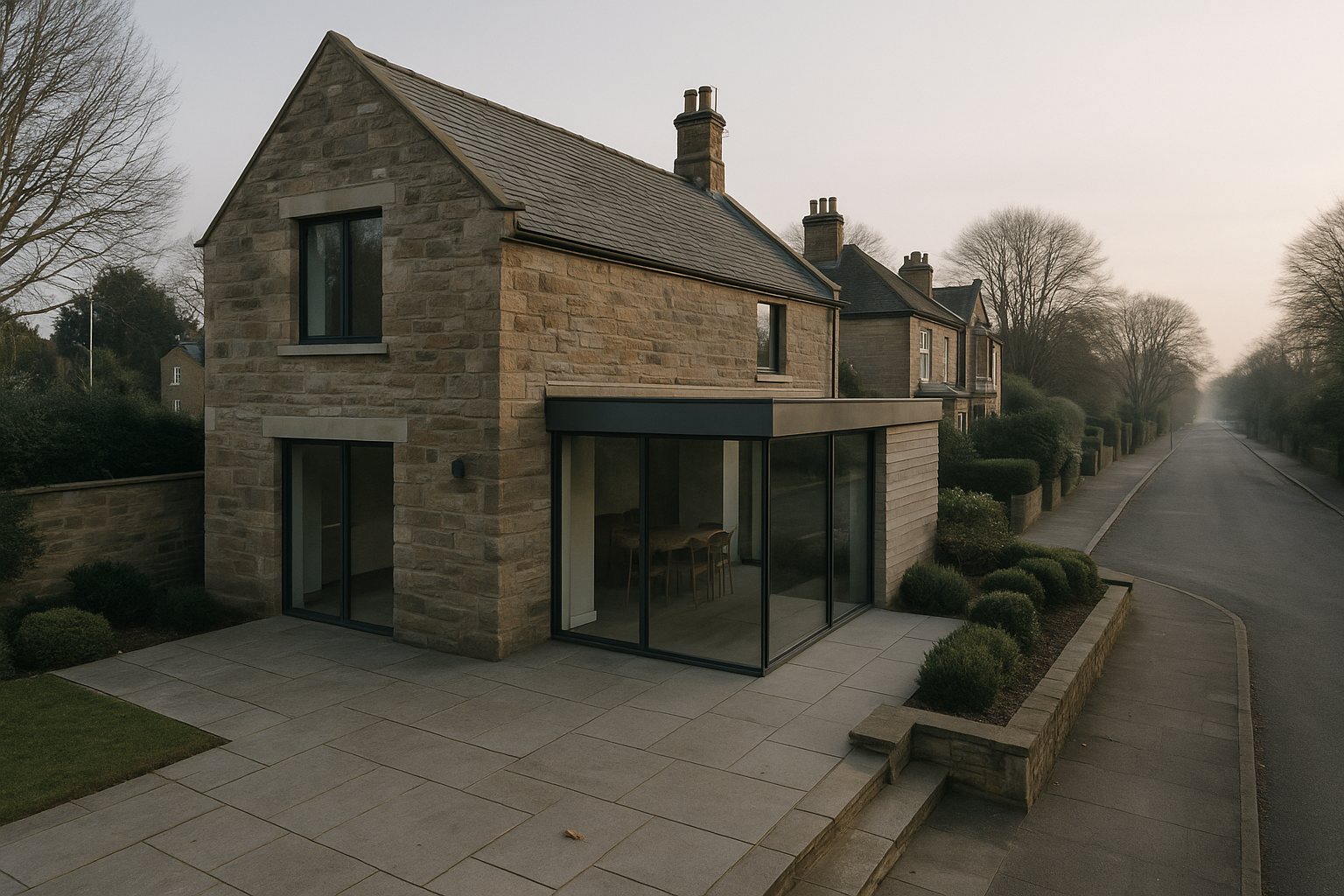
Luxury markets do not behave like the wider housing market when conditions turn, and people who expect them to are consistently surprised in both directions.
The differences are structural rather than sentimental, and understanding them is useful whether you are buying, selling or simply holding.
The first thing that happens in a slowing luxury market is not a fall in prices. It is a fall in transactions.
Sellers at this level are rarely forced. Most can wait, and when the number they want is not available they withdraw rather than accept less.
That produces a market with fewer sales and relatively stable recorded prices, which looks healthier than it is. Activity is the leading indicator; price is the lagging one.
Because discretionary sellers withdraw, the properties that do transact are a skewed sample.
Recorded prices reflect the sellers who needed to move, plus the small number of exceptional properties that sell in any conditions. The properties that quietly failed to sell do not appear in the statistics at all.
This is why withdrawn and expired listings matter so much in a soft market. They are where the actual information sits, and they are absent from almost every published figure.
Sellers anchor to the last strong comparable. Buyers price against current conditions and against what they can see sitting unsold.
In a slowing market that gap becomes large, and it takes time to close because neither side is compelled. Transactions happen when a seller's circumstances change or when a buyer finds something genuinely scarce.
The practical consequence is that days on market extends dramatically before prices move at all.
The most important pattern, and the one that gets lost in market-wide reporting.
Genuinely scarce property — the protected view, the deep-water frontage, the position that cannot be replicated — holds up considerably better. The buyer pool is smaller but it is also less price-sensitive, and those buyers know the alternative is waiting years.
Property that is expensive without being scarce falls harder. A large well-finished house on an ordinary street competes with every other large well-finished house, and in a soft market there are more of them.
That divergence is why a headline about a luxury market can be simultaneously true and useless to a specific owner.
A higher share of purchases at this level involve cash or portfolio lending, which insulates the segment from rate movements to a degree.
But the effect is not zero. Rates change the opportunity cost of holding property rather than liquid assets, and they affect the wealth of the buyers themselves. The transmission is slower and less direct rather than absent.
When conditions improve, the scarce assets move first and the generic ones lag.
Buyers returning to a market buy the thing they could not previously get. The ordinary large house waits for the market to be genuinely healthy again.
As a seller. Decide early whether you are transacting or waiting, and commit. The expensive position is listing, discovering the market disagrees, and reducing repeatedly — which produces a worse outcome than either decision made cleanly.
As a buyer. A soft market is when scarce property occasionally becomes available, because someone's circumstances changed. Those are the moments worth being prepared for, and preparation means funds documented and diligence able to move quickly.
As an owner. Understand which category your property sits in. That answer tells you more about your position than any market-wide figure.
Because volume falls first. Sellers at this level are rarely forced, so they withdraw rather than accept less, and the properties that do transact are a skewed sample. Activity leads, price lags.
Withdrawn and expired listings. Properties that quietly failed to sell do not appear in published statistics at all, which is exactly why they are the most informative data available.
No, and this is the most important pattern. Genuinely scarce property holds up considerably better, while property that is expensive without being scarce competes with every similar house and falls harder.
Less directly, since more purchases involve cash or portfolio lending. But rates change the opportunity cost of holding property and affect buyers' wealth, so the transmission is slower rather than absent.
Decide early whether to transact or wait, and commit. Listing, discovering the market disagrees and reducing repeatedly produces a worse outcome than either decision made cleanly.
A select network of the nation's most accomplished luxury real estate professionals.