
Environmental issues are invisible, outside a general inspection, and least bounded in cost. Commission a tank sweep on older properties in oil-heating regions, test for radon, assess asbestos and lead before planning renovation, and establish what the land was used for previously.
The category of diligence buyers most often skip, because nothing is visible and a general inspector will not raise most of it. Also the one where cost is least bounded.
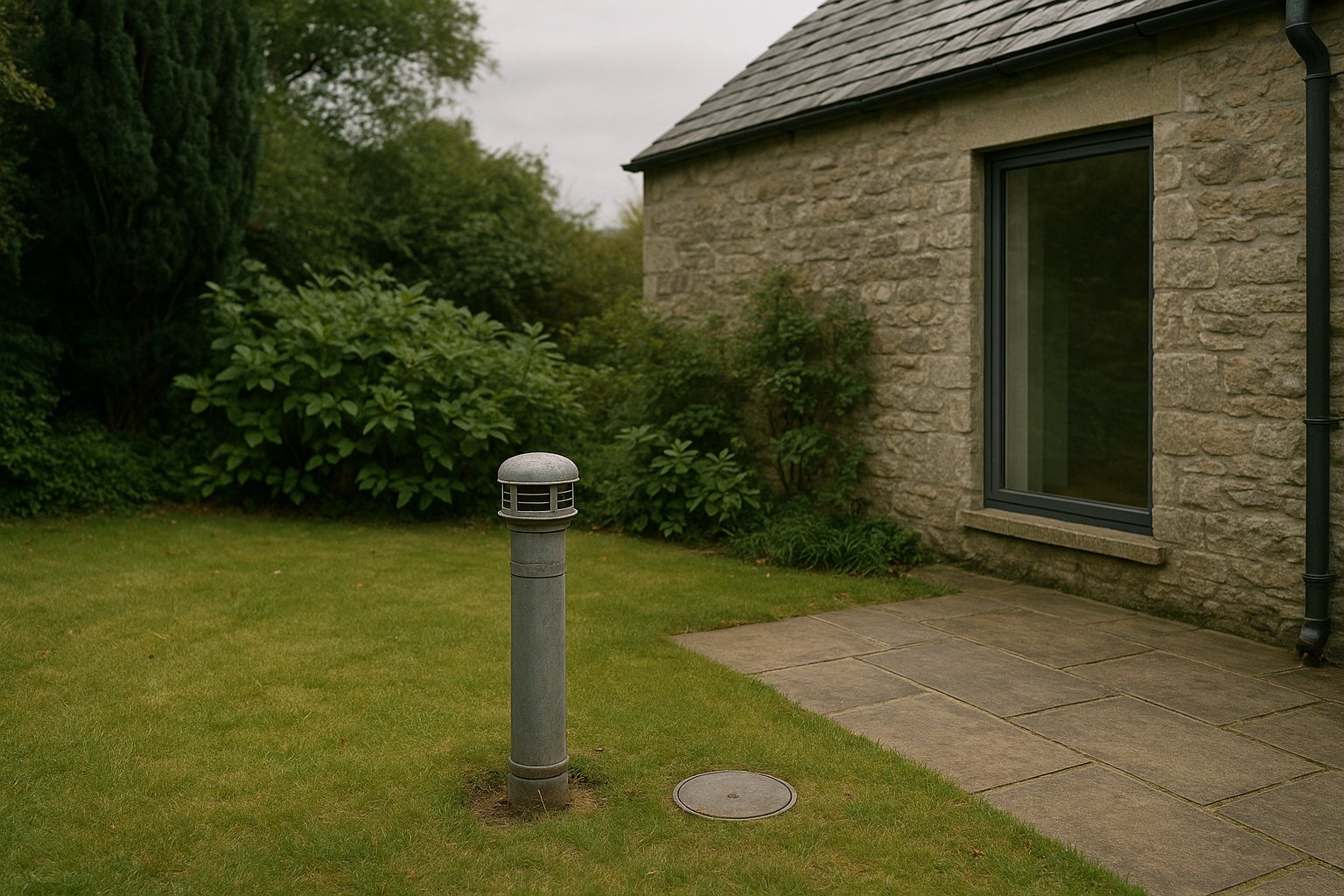
Environmental problems are the category of diligence buyers most often skip, because nothing about them is visible and a general inspector will not raise most of them.
They are also the category where the cost of being wrong is least bounded. A structural problem has a number attached. Contamination sometimes does not.
The single most expensive surprise on older properties in regions where oil heating was common.
Tanks were routinely buried and, when heating systems changed, frequently abandoned in place rather than removed. Many were never documented, and current owners genuinely do not know one exists.
A tank that has corroded and released oil contaminates the soil around it. Remediation can be substantial, some states have assistance programs and others do not, and liability generally follows ownership rather than the person who caused it.
Where a property predates modern heating, commission a tank sweep. It uses ground-penetrating radar or metal detection and costs very little relative to what it finds. Look also for fill caps and vent pipes in the yard, and ask the seller directly.
Asbestos. Common in pipe insulation, floor tiles, siding, roofing and textured finishes in older construction. Generally not hazardous while intact and undisturbed. It becomes an issue the moment you renovate, and abatement adds cost and time to any project.
Lead paint. Housing built before 1978 carries a federal disclosure requirement, and the paint itself is a consideration where there are young children or where surfaces will be disturbed.
Neither should stop a purchase. Both should be identified, because both change what a renovation costs, and a buyer planning significant work needs that in the budget rather than as a discovery.
Naturally occurring, geographically variable, and testable inexpensively.
Where levels are elevated, mitigation systems are well established and moderately priced. This is a solvable problem and worth testing for rather than assuming, particularly on a property with occupied lower levels.
The question buyers almost never ask.
Agricultural land may carry pesticide residues. Former industrial or commercial sites carry their own history. Proximity matters too — a neighboring site with a history of fuel storage or chemical use can affect groundwater beneath your property.
Historical aerial imagery and local records will show what was there. On acreage, land being converted from another use, or anything unusual, a formal environmental site assessment is worth considering. It is standard practice in commercial transactions and rarely used residentially, which is why residential buyers occasionally inherit problems.
Designation restricts what can be built, altered or cleared, sometimes severely, and the boundaries are not always where they appear on a casual look.
Where a property has low ground, standing water, or particular vegetation, establish whether any part is designated before assuming a building envelope.
Lenders may decline to lend against a property with a known environmental issue. Insurers may decline to cover it. Both narrow your buyer pool when you eventually sell.
And liability for contamination generally attaches to the owner. Buying a problem means owning it, regardless of who created it.
On any older property in an oil-heating region, a tank sweep. On anything built before the late seventies where renovation is planned, an asbestos and lead assessment. A radon test almost anywhere. And on land, acreage or anything with an unusual history, a proper look at what the site was used for before.
None of it is expensive relative to the transaction. All of it is expensive to discover afterward.
An abandoned underground storage tank. Tanks were routinely buried and left in place when heating systems changed, frequently undocumented, and a corroded tank contaminates surrounding soil. Liability generally follows ownership rather than whoever caused it.
Commission a tank sweep using ground-penetrating radar or metal detection. Look for fill caps and vent pipes in the yard, check records, and ask the seller directly. The cost is small relative to what it can find.
Generally not. Asbestos is usually not hazardous while intact and undisturbed, and lead paint is a known feature of older housing. Both matter because they change what a renovation costs, so identify them before budgeting work.
Yes. It is inexpensive to test, geographically variable, and mitigation systems are well established and moderately priced. It is a solvable problem worth confirming rather than assuming.
Agricultural land may carry pesticide residues and former industrial sites carry their own history. Neighboring sites can affect groundwater beneath your property. Historical imagery and local records will show what was there.
A select network of the nation's most accomplished luxury real estate professionals.