
Buying at this level differs in four ways: much inventory is never publicly listed, financing runs through portfolio lenders that take months to arrange, diligence extends well beyond a general inspection, and value is decided by things that cannot be changed rather than by finish.
Not a larger version of buying an ordinary house. The inventory is partly invisible, the diligence is deeper, and the things that decide value are not the things that fill a listing.
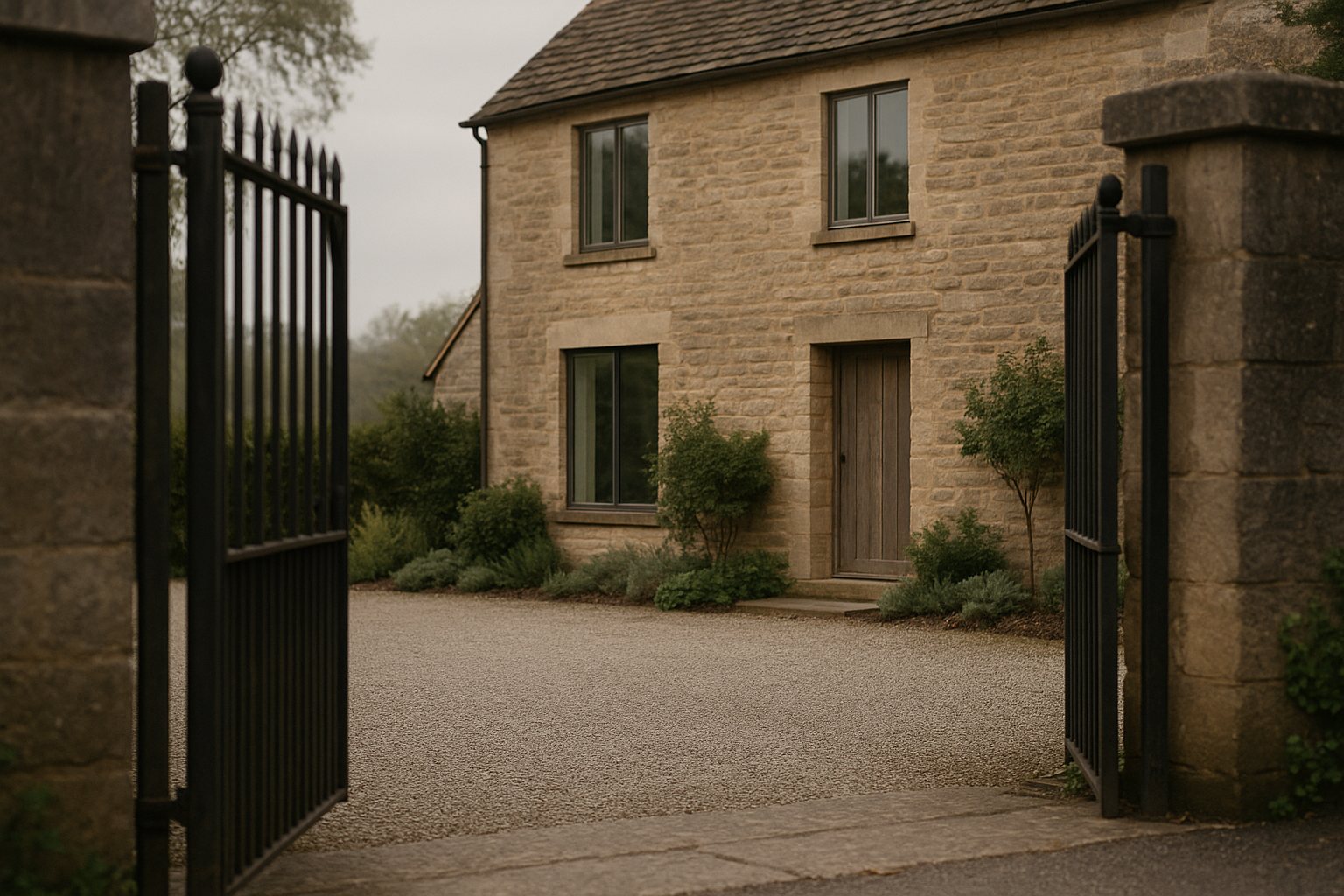
Buying at the top of the market is not a larger version of buying an ordinary house. The inventory is partly invisible, the diligence is deeper, the financing runs through different institutions, and the things that decide value are not the things that fill a listing.
What follows is the shape of the process, in the order it actually happens.
Before viewing anything, establish what the property has to do. A primary residence, a second home used a few weeks a year, an investment, or something intended to pass to children are four different purchases with different priorities.
Then be specific about the market. Buyers who know a market well can move quickly; buyers who do not should spend the first weeks on the geography rather than on houses, because a search teaches you what is available rather than what is good.
Above a certain price, nobody sees a property without first showing they can buy it. Proof of funds or a lender letter should exist before you ask, not after.
Financing at this level usually runs through portfolio lenders and private banks rather than conventional mortgages, and those relationships take months to build rather than weeks. Buyers who start when they find the property are frequently still assembling documents when it sells.
Where an entity or trust will hold the property, decide that structure before offering. Changing it afterward can trigger transfer tax and reassessment.
A meaningful share of high-value property never reaches a portal. Access to it depends on relationships rather than searching, which is the main practical argument for representation that is genuinely inside a market rather than adjacent to it.
It also means the public record understates activity, so the comparables everyone works from are incomplete.
The most useful discipline in the whole process.
Position, frontage, view protection, elevation, privacy, access and lot are fixed. Finish, layout, condition and specification are addressable with money and time.
Buyers who lead with the kitchen pay for the things they could have changed and inherit the things they cannot.
A general inspection is triage on a large property. What matters is the specialists it points you toward: structural, roof, sewer, pool, geotechnical on a slope, seawall on waterfront, well and septic on acreage, and whoever can assess the bespoke systems.
Alongside that sits the paper diligence, which buyers skip more often. The title report's exceptions schedule. The permit history against what physically exists. Association documents and reserves. An insurance quote on this specific address. Environmental questions on older or rural property.
Almost every expensive surprise in property ownership was discoverable during this phase.
Sellers weigh certainty alongside the number. A shorter contingency period, a larger deposit, flexibility on closing, or a rent-back can be worth more to them than a higher offer with more ways to fail.
Waiving protections is a different matter. Before surrendering any contingency, establish what the worst outcome it protects against would cost, and whether you could absorb it.
Two things carry disproportionate risk. Wire instructions should be verified by telephone on a number you already held, every time. And the final walkthrough is the last moment anything can be raised while you still have leverage.
Start a basis file on the day you close and keep every improvement receipt for as long as you own the property. Learn where the shutoffs are. Get the technology credentials transferred while the seller is still responsive. And live through a full year before changing anything discretionary.
Each stage above has considerably more to it, and we have written about most of them in detail. If you are at a specific point in this process, that is where to look next.
Establish what the property has to do — primary residence, second home, investment or an asset to pass on — and get your financial position documented. Above a certain price nobody sees a property without first showing they can buy it.
Sellers at this level frequently have reasons for privacy unrelated to price. Access to that inventory depends on relationships rather than searching, which is the practical argument for representation genuinely inside a market.
What cannot be changed. Position, frontage, view protection, elevation, privacy and lot are fixed; finish and layout are addressable with money. Buyers who lead with the kitchen inherit the problems they cannot fix.
No. It is triage. The specialists it points you toward matter more, as does the paper diligence — title exceptions, permit history against what exists, association reserves, and an insurance quote on the specific address.
Only after establishing what the worst outcome each protects against would cost and whether you could absorb it. A shorter contingency period, larger deposit or rent-back often achieves the same effect without surrendering protection.
A select network of the nation's most accomplished luxury real estate professionals.