
In an apartment purchase the building is the actual asset. Read the reserve study, financial statements and two years of board minutes before anything else, and establish specifically what any required structural inspection found and what remediation is outstanding — that is where the large assessments now come from.
It looks simpler than buying a house. What replaces the roof and the grounds is a set of risks that are invisible on a viewing and sit almost entirely in documents.
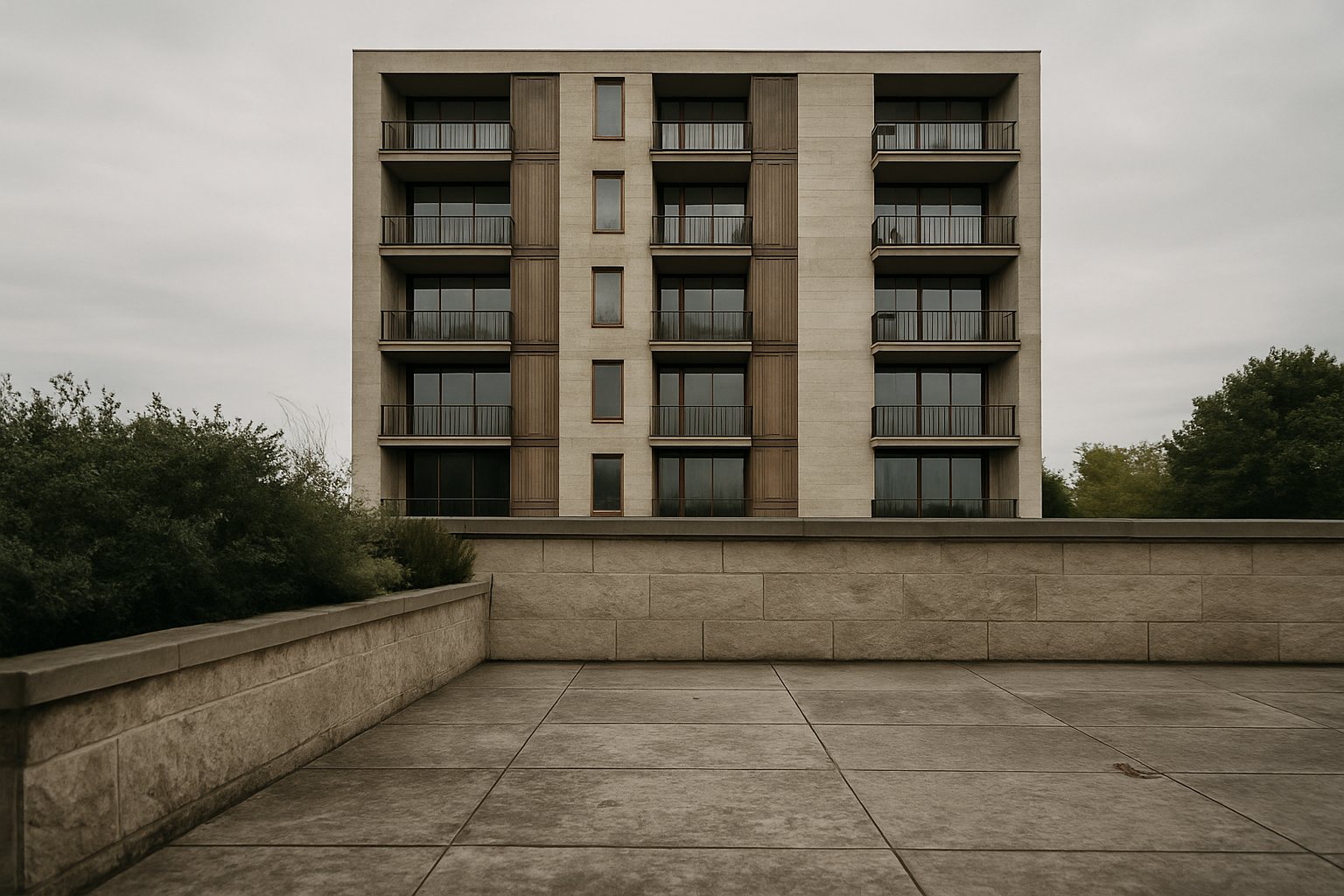
A luxury apartment purchase looks simpler than buying a house. There is no roof, no grounds and no septic system to worry about.
What replaces them is a set of risks that are largely invisible on a viewing and sit almost entirely in documents: the building's finances, its structural obligations, and rules that govern what you may do with something you own.
You are buying an interest in a structure other people control, along with an obligation to fund whatever it needs.
That makes the association's financial position more consequential than almost anything inside the unit. A beautiful apartment in a building with failing reserves is a liability with a nice kitchen.
Request the reserve study, the current budget, several years of financial statements, and the last two years of board minutes. Read the minutes first — they tell you what the building actually argues about.
Building safety inspection and reserve funding requirements have tightened considerably in several jurisdictions following well-publicized failures.
The practical effect is that buildings which deferred structural work now face mandatory inspection and remediation, and the cost falls on owners through special assessments that can be very large.
Establish specifically whether the building has completed any required inspection, what it found, what work is outstanding, what it is expected to cost, and how it will be funded. This is the single most important question in a condominium purchase today and buyers routinely accept a vague answer.
The boundaries matter and are frequently misunderstood.
Establish what is your unit, what is common element, and what is limited common element — typically a balcony, terrace, parking space or storage assigned to you but not owned outright.
The distinction determines who repairs what. Owners are regularly surprised to learn that a terrace they treat as theirs is maintained by the association, or that windows are their responsibility rather than the building's.
The association carries master coverage over the structure. You insure the interior, contents and liability.
The gap between them is where problems live. Establish exactly where the master policy stops, and whether it covers original finishes only rather than improvements.
Ask specifically about loss assessment coverage, which protects you where the association levies an assessment following a claim. It is inexpensive and frequently omitted.
Rental restrictions and minimum lease terms. Whether short-term letting is permitted. Pet rules. Renovation rules, including permitted hours, approval requirements and whether wet areas can be moved. Guest and occupancy policies.
Some buildings hold a right of first refusal, meaning the association can step in ahead of your buyer when you sell. Establish whether one exists and how it has been used.
Floor level and view carry a premium, so establish whether the view is protected. An adjacent site with development potential can remove the reason you bought.
Ask about sound and vibration — between units, from mechanical plant, and from elevators. These are difficult to assess on a short viewing and impossible to fix afterward.
Where there are extensive amenities and staff, understand that they are a permanent cost. Amenity-rich buildings carry high dues, and dues rise.
Owner-occupancy ratio, because low ratios can restrict buyer financing. Pending litigation, which can do the same. Assessment history and trajectory. And whether the building is well run, which buyers now investigate far more carefully than they used to.
Ask the same questions a future buyer will ask you, and treat unsatisfactory answers as a pricing matter rather than a detail.
The reserve study, current budget, several years of financial statements and the last two years of board minutes. The minutes tell you what the building actually argues about, which no other document does.
Structural inspection and reserve requirements have tightened in several jurisdictions, and buildings that deferred work now face mandatory remediation funded by special assessments. Establish what any inspection found and what remains outstanding.
Something assigned to your unit but not owned outright — typically a balcony, terrace, parking space or storage. The distinction determines who repairs it, and owners are regularly surprised by the answer.
In two layers. The association covers the structure and you cover interior, contents and liability. Establish where the master policy stops and whether it covers improvements, and ask about loss assessment coverage.
Owner-occupancy ratio, since low ratios can restrict buyer financing, pending litigation, assessment history, and whether the building is well run. Ask the questions a future buyer will ask you.
A select network of the nation's most accomplished luxury real estate professionals.