
Document everything before any cleanup begins — it cannot be recreated and it is the most valuable step in the claim. Mitigate further damage as your policy requires, keep damaged items until seen, obtain your own contractor estimates, and expect the argument to be about scope rather than coverage.
Most owners deal with a significant claim once, at the worst moment, with no idea how it works. The decisions made in the first days shape the outcome.
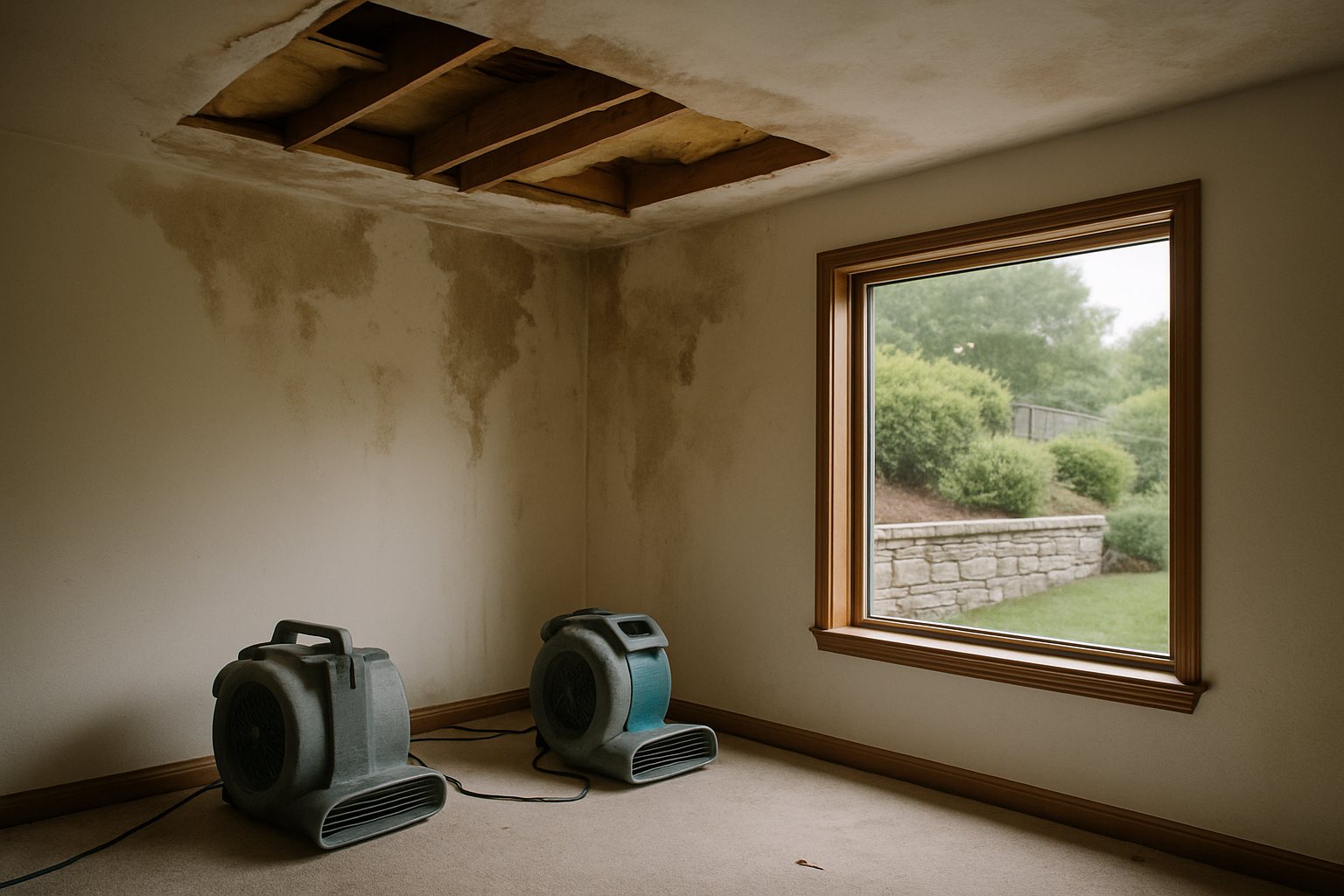
Most owners deal with a significant insurance claim once, at the worst possible moment, with no idea how the process works. The decisions made in the first days shape the outcome more than anything that happens later.
This is general information rather than advice on any specific policy. Read yours, and where a loss is substantial, take professional advice early.
Safety first, then two things simultaneously.
Mitigate further damage. Most policies impose a duty to prevent a loss worsening — covering a roof, extracting water, securing the property. Failing to do so can affect what is paid.
Document before anything is moved. Photograph and film everything, from every angle, before any cleanup begins. This is the single most valuable ten minutes of the entire claim and it cannot be recreated afterward.
Keep damaged items rather than disposing of them. An adjuster who cannot see something has to take your word for it, and the process is not built around taking your word for it.
Report the loss quickly. Policies contain notice requirements and time limits, both for reporting and for bringing any dispute.
From the first day, keep everything: receipts for temporary accommodation, meals, emergency repairs, storage, transport. Additional living expense coverage generally reimburses the difference between your normal costs and what you are now spending, and only against evidence.
Record every conversation with the insurer — who, when, what was said. Follow up important calls in writing.
The adjuster assigned to your claim is engaged by the insurer. That does not make them adversarial, and most are professional, but their employer is not you.
On a substantial loss you can engage your own representation: a public adjuster, or an attorney where the matter is contested. On a large or complex claim that frequently pays for itself.
Understand how they charge, usually a percentage, and engage early rather than after a position has hardened.
Coverage disputes get the attention. Scope disputes are far more common.
Whether the whole floor is replaced or a section patched. Whether adjacent undamaged material must be replaced to match. Whether a repair is adequate or a replacement is required.
These are technical arguments won with documentation: independent estimates, specialist reports, and detailed records of what existed before.
Obtain your own contractor estimates rather than relying solely on the insurer's figures.
The claim is when coverage assumptions get tested, and high-value properties fail this test regularly.
Replacement cost versus actual cash value. One rebuilds; the other pays depreciated value. The difference on an older property is enormous.
Sum insured against real rebuild cost. Construction costs have risen substantially, and policies written years ago frequently have not kept pace.
Sub-limits. Art, jewelry, wine and collections are capped at figures that are irrelevant at this level unless separately scheduled.
Rebuilding to current code. Where an older structure must be rebuilt to modern standards, that additional cost is covered only under specific provisions.
All of these are checkable now, when you can do something about them, rather than during a claim when you cannot.
Contractors arriving after a widespread event sometimes ask owners to assign their claim rights. Read anything of that kind carefully and take advice before signing.
You are also generally entitled to choose your own contractor rather than accepting a preferred vendor, though using one may simplify the process. Decide deliberately.
On a replacement cost policy, insurers commonly pay the depreciated amount first and release the remainder once the work is actually completed and evidenced.
Expect that, plan the cash flow around it, and keep the documentation required to recover the balance. Owners who do not complete the work do not receive it.
Ensure safety, then mitigate further damage as your policy requires, and document everything before any cleanup begins. Photograph and film from every angle. That record cannot be recreated afterward.
No. Keep them until the adjuster has seen them. An adjuster who cannot inspect something has to take your word for it, and the process is not built around that.
The insurer. Most are professional, but their employer is not you. On a substantial loss you can engage a public adjuster or an attorney, which frequently pays for itself on complex claims.
Scope rather than coverage — whether a floor is replaced or patched, whether undamaged adjacent material must be replaced to match, whether repair or replacement is appropriate. Obtain your own contractor estimates.
Actual cash value rather than replacement cost, a sum insured that has not kept pace with construction costs, sub-limits on art and collections, and rebuilding to current code. All checkable before a loss rather than during one.
A select network of the nation's most accomplished luxury real estate professionals.